
Art Miami: December 1–6, 2026 • VIP preview December 1; public opening December 2
One Herald Plaza, Downtown Miami
Art Miami is scheduled for December 1–6, 2026, at One Herald Plaza in Downtown Miami. The organizer identifies December 1 as the VIP preview, followed by public admission beginning December 2. Its waterfront setting offers a distinct mainland perspective during Miami Art Week. These seven tips and practical planning notes are designed for visitors who want time for thoughtful art viewing, useful gallery conversations and a comfortable experience of Downtown Miami. Admission, private invitations and residential appointments should each be arranged separately.
Table of Contents
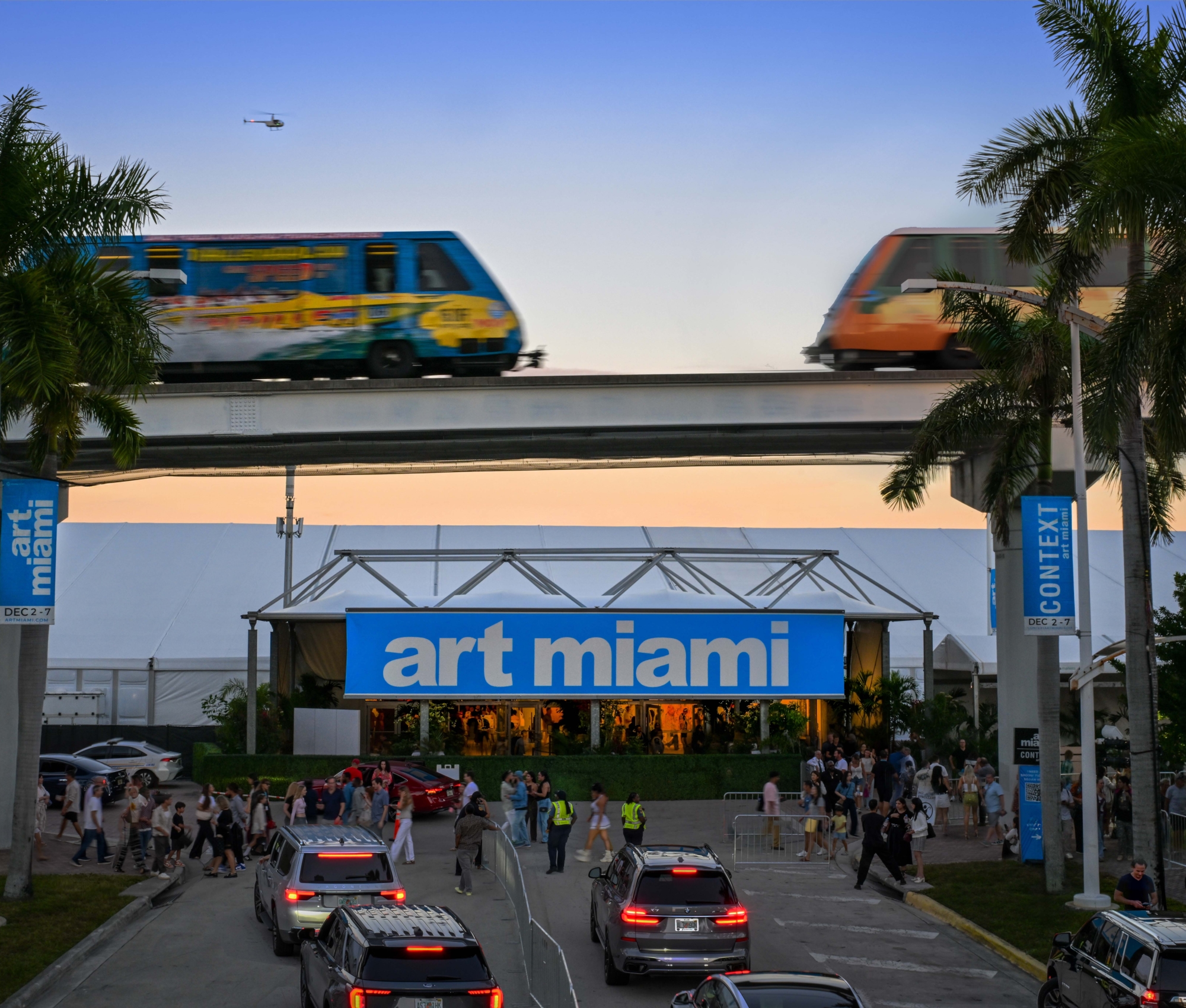
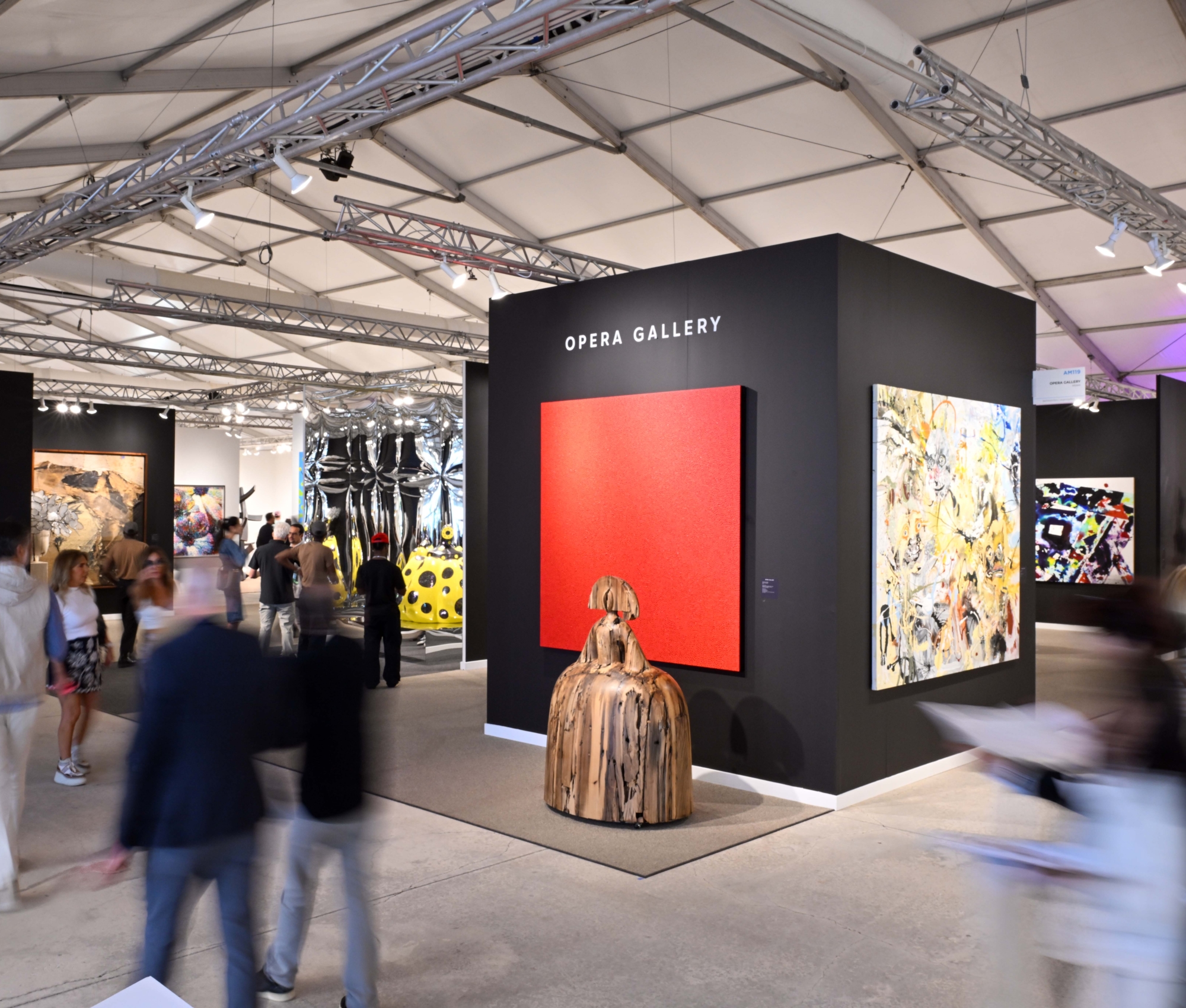
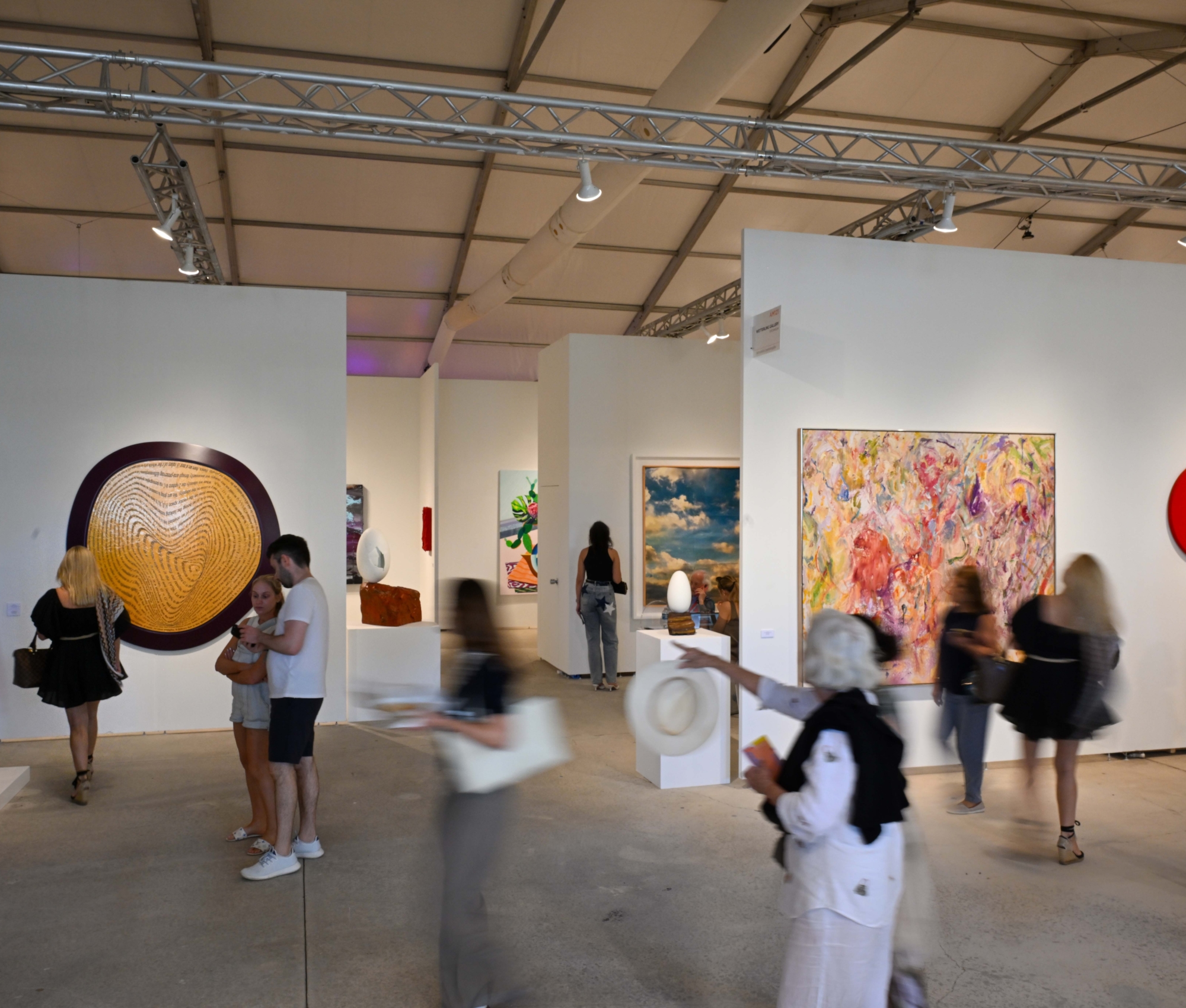
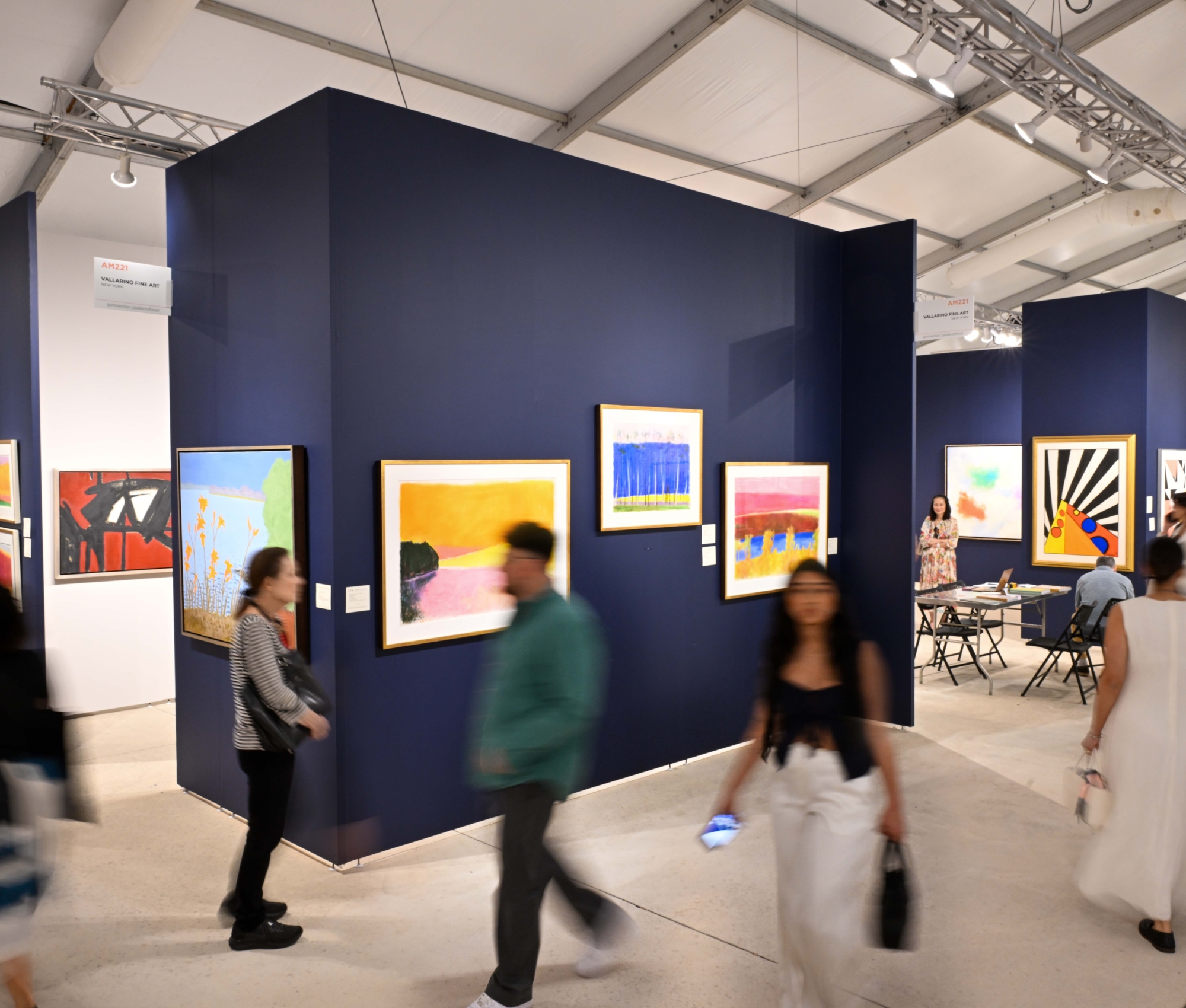
Image source: official Art Miami website. Organizer and archive imagery; photographs do not depict the forthcoming event.
1. Confirm the Art Miami preview and public dates
Start by distinguishing the VIP preview from the public fair. December 1 belongs to the preview schedule, while public access begins the following day. Verify the admission attached to your selected ticket and consult the organizer for current hours. The broader Art Week calendar includes many independently managed events, so a date on a general city guide is not enough to establish access. Share the correct venue and meeting arrangements with your party before arrival. If a gallery conversation is important to you, contact the gallery directly and allow flexibility for the demands of a busy fair day.
2. Give the waterfront Downtown location its own day
One Herald Plaza is on the mainland, rather than in Miami Beach. Treat that distinction as a planning advantage: you can explore a different side of the city without repeatedly crossing the causeways. Organize nearby commitments together and avoid an itinerary that assumes every destination is a short walk away. Check your actual route and allow time for entry, a meal break and a second look at favorite presentations. If you are combining the fair with a Miami River property consultation, choose a realistic appointment window and confirm the meeting location separately.
3. Choose a small set of collecting interests
Art Miami can be approached through medium, period, artist or simply the questions that make you curious. A short list helps you begin without turning the visit into an inflexible shopping assignment. You may want to compare painting with sculpture, explore works on paper or understand how galleries present different parts of an artist’s practice. Let the first walk establish the layout, then return to a manageable group of presentations. The goal is not to claim you have seen everything. It is to leave with clearer interests, better questions and a few conversations worth continuing.
4. Use gallery conversations to improve your understanding
Ask a presenting gallery what it considers important about a work and why it chose to bring it to the fair. Questions about material, process, context and documentation can reveal more than a quick look at the label. If you are considering an acquisition, request precise information and retain the gallery contact with your notes. Avoid treating a public asking price or a social post as a complete set of terms. Where provenance, condition or attribution is consequential, ask for the relevant documentation and independent professional advice. The setting should encourage informed curiosity, rather than replace it.
5. Think about where a work would live
A fair booth provides a carefully arranged context, but a home has its own light, scale and circulation. If you are buying for a residence, bring approximate dimensions and photographs of the intended space. Consider installation, delivery access and the practical care the work might require. A piece that commands attention in a large presentation can feel different in a more intimate room. Discuss those questions with your designer or installer without reducing the work to a decorative match. A lasting personal response and a workable placement are both useful parts of a considered decision.
6. Keep hospitality plans simple and confirmed
A waterfront fair visit can form the centerpiece of a memorable day in Miami, but it does not need a crowded chain of additional commitments. Choose a confirmed dining reservation or a relaxed meeting after the fair, and leave enough room for a conversation to run longer than expected. Explain ticket responsibilities clearly when hosting guests. A public admission, a VIP preview invitation and an independently organized reception are different arrangements. If someone in the party has accessibility or timing needs, resolve those details in advance through the organizer’s current information and the venues you actually intend to use.
7. Separate cultural discovery from property decisions
Art Miami offers a reason to experience Downtown during an active cultural period. If residential exploration is also on your agenda, give that work its own time and documents. Compare the Miami River, Brickell and Miami Beach according to the way you expect to use a home, rather than the excitement of one weekend. Request current floor plans and dated project information from the relevant team. An art fair does not establish a development’s specifications, availability or purchase terms. The two experiences can complement one another while remaining distinct decisions with their own professional support.
Art Miami: organize a first visit without rushing
Begin by making one broad circuit to understand the fair’s arrangement and the range of work on view. Mark the galleries you want to return to, then take a break before the more detailed conversations. This keeps the early part of the day exploratory and prevents the first striking presentation from setting the entire agenda. On a second pass, ask the specific questions you wrote down and request follow-up material where useful. Leave a little unallocated time near the end of the visit.
You may find that the work you keep thinking about is different from the one that first caught your eye. This suggested approach is editorial guidance, not an official event timetable.
Art Miami: build a note that will still make sense next week
A useful fair note should identify the artist, title, gallery, medium and dimensions, with any important edition or condition information supplied by the gallery. Add your own reason for noticing the work. Keep permitted photographs next to the written details so that an image does not become separated from its context. If you receive a quotation, retain it with the proposed terms and the correct contact. When several people are involved in a decision, share the same information rather than fragments from different conversations.
The purpose of the note is to make later reflection and follow-up clearer, not to create an administrative task that distracts you from enjoying the fair.
Ask what happens after a purchase
The conversation should extend beyond agreeing that you like a work. Ask who handles packing, collection, shipping and installation, and which services are included in the written terms. Clarify how timing is confirmed and what happens if your residence is not ready to receive the piece. If a work will travel internationally, ask qualified professionals about customs, insurance and tax considerations rather than relying on general event information. Keep the responsibilities clear at every stage. Visitors sometimes focus on the moment of discovery and leave these details for later, but addressing them early can make the rest of the acquisition process substantially more coherent.
Art Miami: use the waterfront setting as context, not a shortcut
A waterfront address can make a day feel memorable, but it does not tell you everything about the surrounding neighborhood. If you are interested in Downtown Miami, look beyond a single arrival route and ask how the area fits your usual activities. Consider where you would dine, how you would reach the places you visit and what kind of residential setting you prefer. Check actual locations rather than assuming every bayfront or riverfront destination is adjacent. Art Miami can introduce a visitor to the mainland’s cultural energy; a separate neighborhood visit helps you understand the daily experience that a property decision requires.
Art Miami: give first-time guests a welcoming introduction
If you are bringing someone who rarely attends fairs, explain the plan in plain language. They do not need a specialist vocabulary to respond to a painting, notice a material or ask why a work was made. Agree on a comfortable length for the visit and a meeting point if your group moves at different speeds. Encourage a few focused conversations instead of presenting the day as a test of art knowledge. A break at the right moment can make the second half of a visit more rewarding.
Respect the galleries’ space and the organizer’s visitor policies, and let different reactions become part of the conversation rather than a reason to rush toward agreement.
Compare works without reducing the experience to price
Price may be part of an acquisition decision, but it is not the only useful comparison. Consider the artist’s practice, the work’s relationship to other pieces you enjoy and the questions it continues to raise after your first encounter. Ask the gallery to explain the information it can substantiate, and request documents when a claim matters to your decision. Do not assume a work suits you simply because it is associated with a prestigious event. If you are building a collection, discuss how the piece fits your own goals with an appropriate advisor.
A thoughtful comparison protects the personal and cultural value of the experience as well as its practical side.
Art Miami: photography and sharing require a separate check
Review the fair’s current photography policies and ask the presenting gallery where necessary. When images are permitted, take a clear contextual view and a readable record of the label. Avoid photographing private conversations or using other visitors as content without permission. If you plan to publish an image, ask about credit and any restrictions rather than assuming that permission for a personal photograph covers every use. Keep the gallery name with your file so you can attribute the work correctly later. Careful documentation supports accurate follow-up and shows respect for the artists, galleries and visitors who make the fair possible.
Art Miami: plan a realistic return visit
A second visit can be valuable if your admission and schedule allow it, but check the terms rather than assuming re-entry or another day is included. Decide what a return would accomplish: revisiting a shortlist, continuing a gallery conversation or showing a work to someone involved in the decision. If a return is not practical, arrange a clear follow-up instead. A gallery may be able to provide additional material or discuss next steps after the fair, subject to its own availability. Travel deadlines should not become a substitute for answering important questions.
The best next step is the one that fits the information you still need.
A practical approach to client entertaining
When inviting clients or professional contacts, make the purpose and logistics clear before the day. Specify whether the meeting is an art-focused outing, a cultural introduction or a broader discussion about Miami. Confirm who has admission, where the group will meet and how long the visit is expected to last. Ask about any needs that affect comfort or timing. Keep independently arranged dining and transportation separate from the fair ticket. A considered host does not need to promise private access or an elaborate schedule.
Providing reliable details and leaving room for conversation can create a more useful experience than an itinerary that depends on unconfirmed invitations.
Art Miami: consider seasonal use when discussing a Miami home
A cultural trip may be only a few days long, while a residence has to support the way you live across the year. If you expect to use a home seasonally, think about the services, storage, care and arrival arrangements that matter when you are away. If art is part of the residential plan, discuss display conditions and professional oversight separately. Request current information about the specific property rather than transferring assumptions from a hotel stay or a fair presentation.
The Miami River can be an appealing area to explore during your trip, but a useful consultation should connect the location and layout with your own habits and priorities.
Art Miami: turn the fair into a longer learning process
Choose one subject that interested you and pursue it after the visit. That might mean reading about an artist, visiting a museum or arranging a follow-up with a gallery. The fair’s value does not depend on making an immediate purchase. It can help you recognize which materials, questions and forms of presentation continue to hold your attention. Keep a short list of ideas rather than an exhaustive archive you will never revisit. If you return to Miami for a future cultural season, those notes can provide a starting point for a more focused visit.
A collection, like an understanding of a city, can develop through repeated encounters rather than a single intense weekend.
Questions to resolve before leaving for the venue
Confirm the current hours, ticket conditions, entry requirements and permitted items through official information. Check accessibility arrangements for anyone who needs them. Save the venue address and identify a meeting point that makes sense for your actual arrival route. If your party will separate, agree on how and when to reconnect. Keep a realistic margin before a fixed dining reservation or another appointment. A simple plan leaves more attention available for the art itself.
These practical checks are particularly useful during Art Week, when different fairs and venues operate independently and a visitor’s calendar can otherwise become a collection of assumptions rather than confirmed arrangements.
Art Miami: read the visit alongside current project materials
If you are exploring Faena Residences Miami while in town, use the current floor plans, amenities information and dated pricing guidance for that separate conversation. Ask the team which documents answer your particular questions and what remains subject to change. A lifestyle article can help you organize the trip, but it should not be treated as a contract, a specification sheet or a guarantee about a development. Keep fair admission and property access separate in your calendar. This distinction allows you to enjoy Art Miami as a cultural experience while giving any residential decision the careful attention and professional review it deserves.
Frequently asked questions
Where is Art Miami held? The organizer lists One Herald Plaza in Downtown Miami. When does public admission begin? December 2, 2026, following the December 1 VIP preview. Is this the same venue as Art Basel Miami Beach? No; they are separate fairs in different locations. Can I visit a Miami River project during my trip? Arrange a separate consultation and confirm the meeting details directly.
Official sources and your next step
Check official Art Miami event details for current dates, admission terms and program updates. For more cultural and lifestyle ideas, visit our Miami News & Events blog.
Planning a Miami property visit? Explore Faena Residences Miami floor plans, review residential amenities or request a private consultation with our team.
By the Miami News & Events editorial team. Published and reviewed October 26, 2026. Dates, programs and admission conditions may change. Independent lifestyle coverage; no event affiliation, ticket inclusion or guaranteed VIP access is implied.