
Design Miami: December 2–6, 2026 • Public show days
Convention Center Drive & 19th Street, Miami Beach
Design Miami returns to Miami Beach in December 2026, with public show days December 2–6 and an invitation-only preview on December 1. Public entry on December 2 begins at 1 p.m., following the morning VIP preview. Located at Convention Center Drive and 19th Street, the fair offers a focused encounter with collectible design. This guide combines the organizer’s published visitor information with independent planning ideas for collectors, interior-design enthusiasts and visitors exploring Miami’s residential lifestyle.
Table of Contents
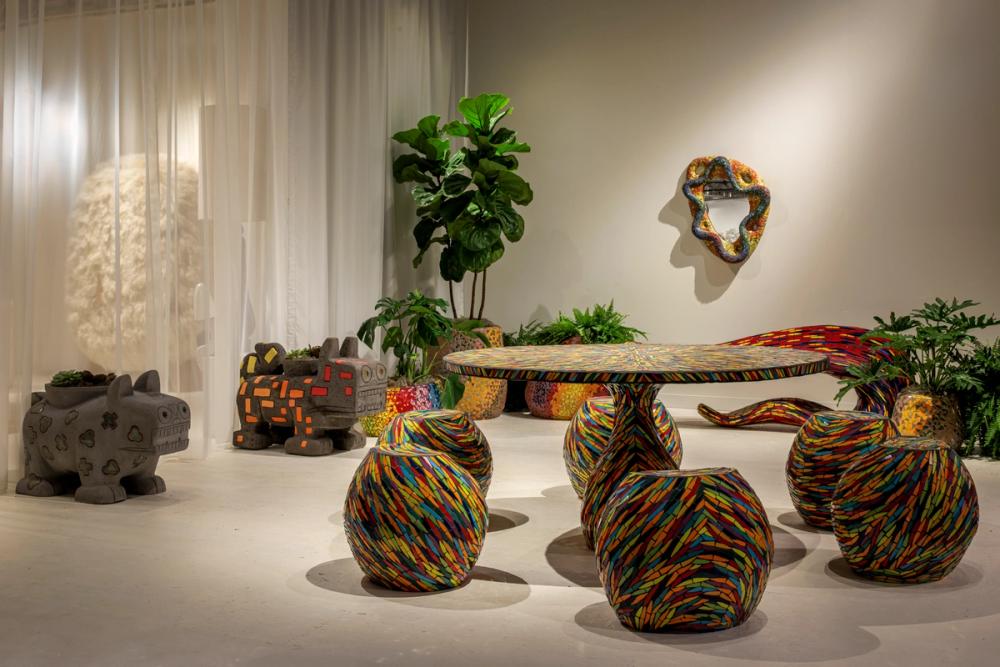
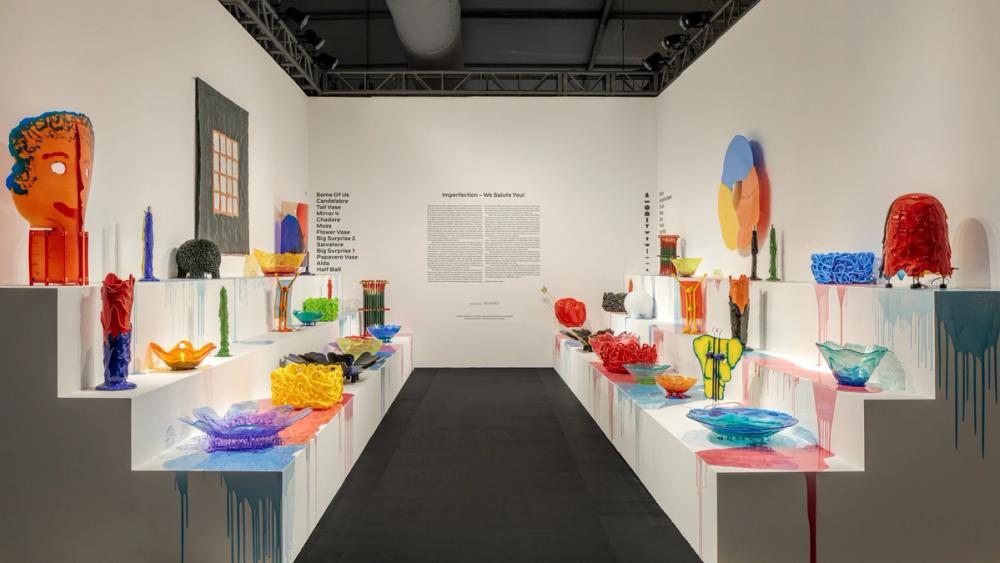

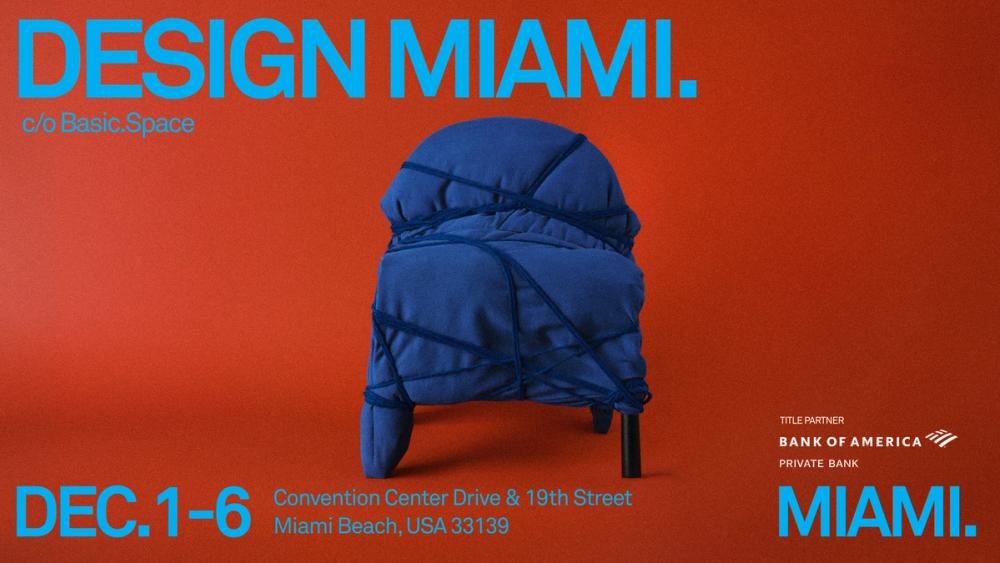
Image source: official Design Miami website. Organizer and archive imagery; photographs do not depict the forthcoming event.
1. Start with the Design Miami public schedule
Choose the day you want to attend before planning the rest of your Art Week itinerary. The organizer distinguishes the December 1 invitation-only preview from public show days beginning December 2. Check opening hours for your selected day and confirm exactly what your admission includes. A broad Miami Art Week plan is useful, but it should not replace the individual fair’s schedule. Save your confirmation and share the meeting arrangements with anyone joining you. If an appointment with a gallery is important, arrange it directly rather than assuming staff will be available at a particular moment.
2. Decide what collectible design means to you
A design fair can be approached through furniture, lighting, objects, materials, historical research or contemporary experimentation. Choose a few interests to guide your first walk without limiting every discovery to a shopping list. You may be looking for a functional piece, studying a particular designer or simply building confidence in your own eye. Those are different goals and can lead to different questions. For Design Miami, a considered visit often means spending more time with fewer objects, asking about process and understanding why a gallery has chosen to present a particular work.
3. Ask about materials and making
The surface of a collectible object is only the beginning of the conversation. Ask how it was made, which materials are present and whether variations between examples are part of the designer’s intention. Discuss any edition information and the documentation that accompanies the work. If the object is functional, ask about normal use and care rather than treating a gallery presentation as proof of everyday durability. Questions about fabrication can reveal the labor and ideas behind a piece and help you distinguish what you admire visually from what you want to live with.
4. Bring the room into the conversation
If you are selecting a piece for a residence, bring room measurements and a few contextual photographs. Consider doorways, elevator dimensions, ceiling heights and the routes an installer would use. A sculptural chair or pendant can feel different at home from the way it appears in an open fair booth. Discuss scale and placement with your designer, but preserve space for a personal response to the object. The strongest purchase decision connects practical fit with lasting interest. It should not depend only on whether the piece matches a temporary color scheme.
5. Give Miami Beach its own fair day
Design Miami’s Miami Beach location makes geographical planning useful. Pair nearby commitments where practical, and avoid scheduling mainland appointments immediately before a fixed entry time. Build in a meal break and allow a second look at the presentations that interest you most. If you are attending another fair, treat its ticket and hours separately. A shared cultural week does not mean shared admission. Ask the organizer about accessibility arrangements and the current visitor policies if they affect your party. A comfortable day helps you make better observations and have more thoughtful conversations.
6. Understand the full acquisition process
Before deciding to buy, ask the presenting gallery for the complete terms, including documentation, packing, delivery, installation and any other services you expect. Make sure you understand which responsibilities belong to the gallery and which belong to you. For a piece arriving at a new residence, coordinate timing with the building and your own team. If international delivery is involved, ask qualified professionals about customs, taxes and insurance. These checks are part of a careful acquisition process. They should happen before a commitment rather than after travel arrangements make follow-up more complicated.
7. Connect design inspiration with daily life
A Design Miami visit can sharpen the questions you ask about a future home. Notice how you respond to light, proportions, materials and the relationship between furniture and architecture. Then examine residential floor plans with those preferences in mind. A Miami River residence and a Miami Beach hotel offer different settings, so experience the neighborhoods separately if you are comparing them. Property consultations, fair admission and private invitations are independent arrangements. Use current project materials for real estate decisions and let the fair serve as inspiration rather than a substitute for residential diligence.
Design Miami viewing notes: record the object, not only the impression
A useful record includes the designer or maker, presenting gallery, object name, materials, dimensions and the questions you still want answered. Add a sentence explaining why the piece interested you. Was it the texture, the silhouette, the construction or the way it changes the room around it? That short observation can help you remember more than an unlabeled photograph. When permitted, capture a contextual image and the object label, then keep them together. If the gallery provides further reading, save that alongside your notes.
The aim is to make a later conversation precise, especially if you are comparing several very different objects over the course of a busy cultural week.
Design Miami: read a collectible object from several viewpoints
A piece can behave differently when seen from the front, the side and across a room. Look at the transitions between materials and the details that are easy to miss in a quick photograph. Consider whether the object invites use, careful display or a particular viewing distance. Ask a gallery representative before touching or testing anything. Your observation does not need specialized terminology to be useful; plain descriptions of what you notice can open a productive conversation. Give yourself permission to revisit an object after seeing the rest of the fair.
The second encounter may reveal details that the first impression concealed, or confirm that your initial response was mostly to the presentation around it.
Work with an interior designer without losing your own preferences
If a designer accompanies you, discuss the purpose of the visit before arriving. You may be gathering ideas, researching a specific room or considering a purchase. Ask the designer to help evaluate dimensions, installation and how the piece would interact with existing furnishings. Keep your own response visible in the discussion rather than treating every object as a technical exercise. A well-considered interior can accommodate a meaningful piece that was not part of an original mood board. Where a decision affects other people in the household, share clear photographs and measurements before committing.
Good collaboration turns professional input into a way to clarify your taste, rather than a reason to move faster than you are comfortable moving.
Design Miami: consider maintenance as part of the pleasure of ownership
Different finishes and materials can demand very different care. Ask the gallery for written maintenance guidance, including cleaning, light exposure and any conditions that may affect the object. For functional pieces, discuss the type of use the designer intended. For lighting, confirm technical compatibility with the installation location through an appropriate professional. Avoid assuming that an object displayed in a controlled gallery environment will perform identically in every residential setting. If the home is used seasonally, think about who will oversee care when you are away.
A clear understanding of maintenance helps you choose pieces you can enjoy with confidence rather than objects whose practical requirements become an unwelcome surprise.
Design Miami: think about delivery before choosing the final position
The place where an object will sit is only one part of the delivery question. Consider how it reaches that location, who receives it and how the packaging is handled. A large piece may need a detailed access plan even when its final footprint is modest. Ask your building or property team about procedures that apply to deliveries, then coordinate those requirements with the gallery and installer. If the residence is not ready, discuss storage and a realistic delivery window separately. Keep responsibilities and timing in writing.
This is particularly useful for visitors who discover a piece during a short Miami stay and will not be present when the object arrives.
Make a design visit rewarding even when you are not buying
You do not need an acquisition goal to have a meaningful Design Miami experience. Choose a material or a design question and follow it through several presentations. Look at how different makers solve similar problems or use contrasting methods. Ask respectful, focused questions and give gallery staff time to assist other visitors. Take notes about ideas you want to explore later, perhaps through museum visits, books or conversations with your designer. A fair can expand your visual vocabulary without immediately changing your home.
That slower approach often creates a stronger foundation for future choices, because it separates lasting interests from the excitement of a particular booth or an unusually persuasive presentation.
Design Miami: a simple two-part itinerary for design enthusiasts
Treat the fair as the first part of the day and reflection as the second. During the visit, make a broad first pass, then return to a small selection of galleries. Afterward, compare notes over a confirmed meal reservation or a quiet break. Identify which questions require follow-up and which objects were simply enjoyable to encounter. If your trip includes residential exploration, schedule that on a separate block of time so you can examine floor plans and neighborhood conditions without rushing. This is an editorial suggestion rather than an official program.
Adapt it to the fair’s published hours, your admission and the needs of your party.
Design Miami: compare historical interest with contemporary experimentation
Collectible design can lead you toward established names, unfamiliar makers or work that does not fit neatly into a category you already know. Rather than ranking those experiences immediately, ask what each object contributes to your understanding. A gallery can explain its own research and presentation choices, while you decide what resonates with you. If an attribution, edition or history is important to a prospective purchase, request supporting documentation and independent advice where appropriate. Avoid replacing those checks with the assumption that a prestigious setting resolves every question.
Curiosity and careful verification can coexist, making the fair both intellectually engaging and practically useful for someone building a collection over time.
Plan the trip around your actual pace
Design viewing can be surprisingly absorbing. A series of long conversations may mean you see fewer presentations than expected, which is not necessarily a problem. Choose the commitments you would be disappointed to miss and leave flexible time around them. If you are traveling with guests, agree on breaks and meeting points before entering. Confirm mobility needs, photography rules and what can be brought into the venue through official information. Keep restaurant reservations realistic rather than treating every evening as an extension of the fair floor.
A manageable itinerary gives you time to appreciate the work and reduces the temptation to make decisions simply because you are tired or worried about the next appointment.
Design Miami and the Miami River residential conversation
The design ideas you encounter can become a useful starting point for discussing a residence. Think about whether you prefer intimate rooms, open entertaining spaces, substantial wall areas for art or a strong relationship with outdoor space. Compare those priorities with actual layouts and the way you expect to use the home. For Faena Residences Miami, request current floor plans and dated project information from the team. Do not infer residential specifications from a fair installation or an unrelated image.
A property visit can complement a cultural trip, but it deserves its own questions about location, purchase terms, services and the details that affect your day-to-day experience.
Design Miami: follow up with a focused shortlist
After the fair, choose a few objects or ideas worth further attention. For each, record the information you have, the information you need and the professional best placed to provide it. A specific message to a gallery is more productive than a general request to send everything. If a designer or family member is involved, share the same shortlist and supporting material so the discussion stays coherent. Leave space for your opinion to change after the energy of the event has faded. The point of the visit is not to generate an immediate purchase.
It is to deepen your understanding of the design you enjoy and, when appropriate, help you make a well-informed decision.
Keep a clear distinction between a fair and a showroom visit
A fair concentrates many presentations into a short period, while a gallery or showroom visit may offer a different pace and a different selection. If an object deserves more attention, ask whether a follow-up conversation or later appointment would be useful. Do not assume that everything you see can be reordered, customized or delivered on the same terms. Ask the presenting gallery which possibilities apply to the specific piece. For visitors building an interior over time, the fair can be the start of a relationship rather than the place where every decision is completed.
Keep notes about who to contact after the event and what you want to discuss. That makes the next step deliberate and helps prevent a busy travel schedule from becoming the reason for a rushed commitment.
Design Miami: discuss light and the object’s surroundings
Lighting changes the way materials, finishes and colors are perceived. Observe the object in the fair setting, then ask how it is usually presented in a residential interior. A reflective surface, a translucent material or an unusually textured finish may respond differently to daylight and evening lighting. Share photographs of the intended room with your designer or installer, keeping any unnecessary personal details out of the images. Consider neighboring pieces as well as the object on its own.
You do not need to recreate a gallery booth at home; the aim is to understand what conditions help the work feel comfortable and coherent in your own setting. Technical questions about installation and electrical requirements should be handled by the appropriate qualified professional.
A final planning note for international visitors
If you are arriving from abroad, leave room for the practical adjustments that accompany a short visit: arrival timing, rest, local transport and a reliable way for your party to communicate. Keep the official fair confirmation accessible and check what identification may be required for your admission. Avoid scheduling the most important gallery conversation immediately after a long journey. If you are considering an acquisition, discuss where the work will ultimately be delivered before agreeing to arrangements.
Shipping, customs and insurance questions can differ from the experience of buying a small personal item while traveling. Ask the relevant professionals for advice and keep the responsibilities clear. A well-paced Design Miami visit should create lasting ideas and useful relationships, rather than a collection of unresolved logistical questions.
Frequently asked questions
When are the public Design Miami dates? December 2–6, 2026, with public entry beginning at 1 p.m. on December 2. Is the December 1 preview public? The organizer describes it as invitation-only. Where is the fair? Convention Center Drive and 19th Street in Miami Beach. Does one Art Week ticket cover every fair? Check each organizer; do not assume shared admission.
Official sources and your next step
Check official Design Miami event details for current dates, admission terms and program updates. For more cultural and lifestyle ideas, visit our Miami News & Events blog.
Planning a Miami property visit? Explore Faena Residences Miami floor plans, review residential amenities or request a private consultation with our team.
By the Miami News & Events editorial team. Published and reviewed October 26, 2026. Dates, programs and admission conditions may change. Independent lifestyle coverage; no event affiliation, ticket inclusion or guaranteed VIP access is implied.